

STEM, Learning and Educational Toys That Get Used
Quick answer: The best educational toys are the ones kids return to without being bribed. The easiest way to spot them is simple: they’re hands-on, open-ended, and they do something (build, move, glow, click, solve, grow, play music). In this guide, you’ll see interactive learning toys and STEM picks that don’t end up as “closet archaeology.”
If you want the fastest way to browse, start here: shop our Toys collection. And if you’re the “please don’t buy more landfill” type of parent (respect), you’ll like this: why practical gifts make the best presents.
Table of Contents
- Why some learning toys get used (and others don’t)
- The 5 “gets used” signals (quick checklist)
- STEM learning toys by age group
- Best educational toys that actually get used (our picks)
- Making learning fun: 10-minute play recipes
- FAQ (parents actually ask these)
Why Interactive Learning Toys Get Used More Than Others
Direct answer: Interactive learning toys get used because they reward curiosity instantly. Kids touch it, something happens, and they want to do it again—then they discover skills “by accident.” Toys get ignored when they’re too locked-in (one trick), too hard (instant frustration), or too passive (the toy performs; the kid watches).
The “gets used” equation
- Immediate feedback (lights, movement, sound, result you can hold)
- Open-ended paths (many outcomes, not one “correct” play)
- Skill grows with them (easy start, harder challenges later)
- Low setup friction (no 40-minute parent assembly… unless you enjoy that kind of pain)
- Repeatable pride (“I made that.” “I solved that.” “Look what I grew.”)
One of our customers, Jessica (Alabama), said something that basically sums up the whole point of Normanharvey: buying throwaway presents is depressing, because you’re binning it a week later—whereas a practical gift feels like you “give it again” every time it gets used. That logic applies perfectly to educational toys. If it gets used weekly, it’s doing its job.
The 5 Signals an Educational Toy Will Actually Get Used
Direct answer: If you want learning toys that don’t die on a shelf, look for toys that (1) start easy, (2) create visible results, (3) allow remixing, (4) invite siblings/parents in, and (5) still work without a screen. If you can tick 3+ of these, you’re in the good zone.
Quick “Gets Used” Checklist ✅
|
1) Instant win They succeed in 60 seconds. |
Parent test: Can your kid do a “first try” version without you taking over? |
|
2) Visible output Build it, draw it, solve it, grow it. |
Parent test: At the end, can they proudly show something real? |
|
3) Remixable More than one “correct” outcome. |
Parent test: Will they play differently tomorrow than today? |
|
4) Social magnet Siblings join in instead of fighting. |
Parent test: Does it naturally create “come look at this” moments? |
|
5) Low friction Easy to start, easy to pack up. |
Parent test: Can it be started in under 3 minutes? |
What makes learning toys get used (visual)
Not “more features.” More replay value. Here’s the simplest way to think about it.
STEM Learning Toys by Age Group
Direct answer: The “right” STEM toy depends less on the number on the box and more on your child’s frustration tolerance. Start with quick wins (simple puzzles, drawing, matching cards), then move into maker projects (3D pen, robots, optics, sound). If a toy can scale difficulty, it can stay in rotation for months instead of days.
Age map (fast guidance)
| Age | Best “gets used” style | Examples in this guide |
|---|---|---|
| 3–5 | Quick wins, matching, simple cause-effect, drawing | Card learning machines, MagicScore SketchPad, simple building blocks (parent-guided) |
| 6–8 | Problem-solving, puzzles, basic engineering play, art science | Puzzle cubes, water floating pen, wind robot, gear building blocks |
| 9–12 | Maker projects, experiments, deeper puzzles, STEM “wow” factor | 3D printing pen, optics kit, periodic table display, Newton’s glowing balls |
| 13+ | Tech curiosity, sound/music science, signal exploration (with supervision) | Tesla coil speaker, theremin, WiFi radio receiver, programmable LED curtain |
Best Educational Toys That Get Used (Our Picks)
Direct answer: The best educational toys aren’t “teacher-y.” They’re toys first. Below you’ll find STEM educational toys and learning toys grouped by how kids actually play: build, solve, experiment, create, move, and explore. Each section includes a simple “why it gets used” plus a 10-minute activity you can do tonight.
Want to browse everything quickly? See all toys here.
Maker & Build (Engineering you can hold)
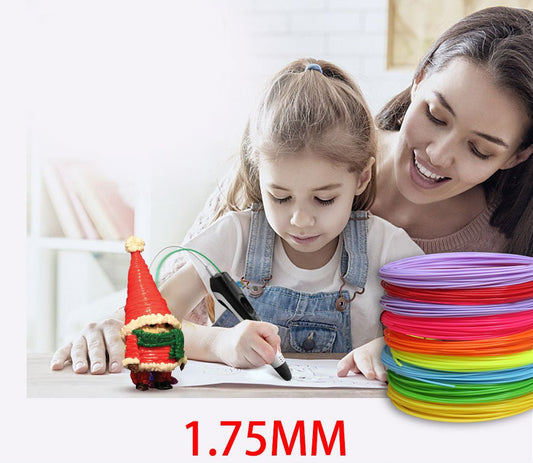
3D Printing Pen PCL
Why it gets used: It turns “I have an idea” into a physical object in minutes. Kids don’t need permission to start again tomorrow, because every project can be small and personal (and that’s the secret sauce of making learning fun).
10-minute play recipe: Build a “name tag” keychain, then add one new feature per day (hole, border, pattern, small icon).
Children's Electric Gear Revolving Building Blocks Toy
Why it gets used: Gears are endlessly satisfying because they’re mechanical cause-and-effect you can see. Once kids realize “my layout changes the movement,” they start inventing their own little machines.
10-minute play recipe: Challenge: build a gear chain that spins the longest without slipping. Then swap one gear and predict what changes.
Children's Electric Gear Revolving Building Blocks Toy 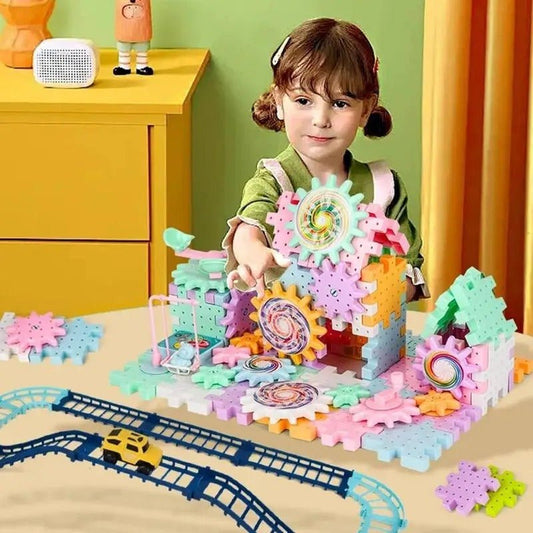
Wind Power Walking Robot - Educational Toys for Interactive Learning
Why it gets used: Movement is the ultimate reward. A walking robot creates a loop: build → test → tweak → watch it improve. That’s engineering, disguised as “can we make it walk better?”
10-minute play recipe: “Robot Olympics”: mark a start line and see whose build walks furthest. Then do one modification and retest.
Wind Power Walking Robot - Educational Toys for Interactive Learning 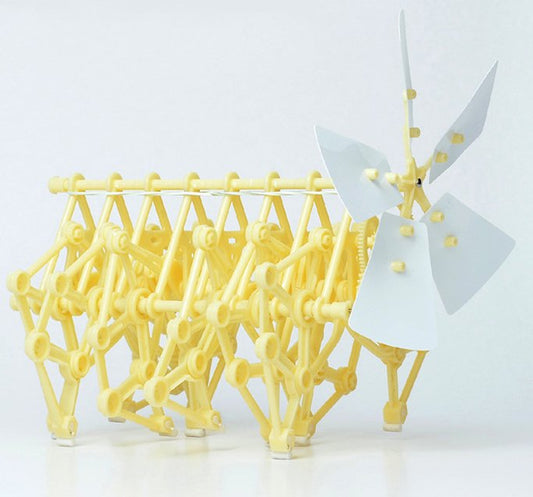
Language & Early Learning (Low-friction “daily reps”)
Card Early Education Children's Enlightenment English Learning Machine
Why it gets used: It’s structured enough for parents to feel productive, but simple enough for kids to drive it themselves. That independence is what makes it repeatable.
10-minute play recipe: “3-card sprint”: pick three cards, repeat twice, then the child teaches the parent (yes, reverse roles).
Card Early Education Children's Enlightenment English Learning Machine 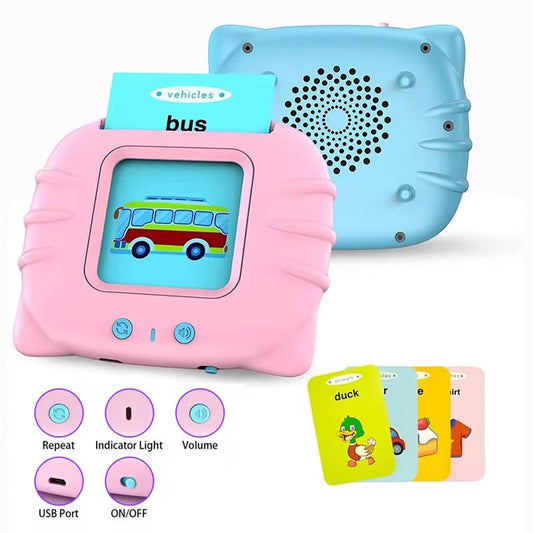
Educational Bilingual Card Early Education Learning Machine
Why it gets used: Bilingual repetition is a superpower when it’s easy to start. This is the kind of educational learning toy that quietly builds confidence: kids like feeling “smart,” and they’ll come back for that feeling.
10-minute play recipe: “Treasure hunt”: choose 5 cards and hide the objects around the room. Find and name each one.
Educational Bilingual Card Early Education Learning Machine 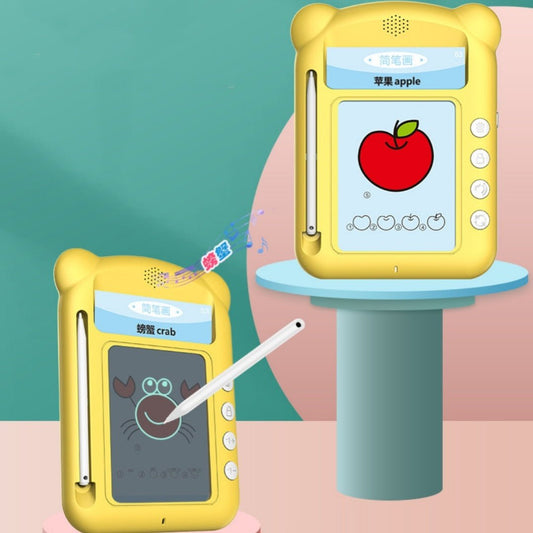
Art + Science (Because “learning” sticks when it looks cool)
MagicScore SketchPad
Why it gets used: It’s fast, clean, and instantly rewarding. Kids can iterate—draw, adjust, redraw—without a giant mess. That “repeat loop” is why it becomes a daily grab.
10-minute play recipe: “One-line challenge”: draw an animal using one continuous line. Then improve it tomorrow.
Water Floating Painting Pen - Insoluble in Water with Floating Design
Why it gets used: It feels like magic—but it’s actually curiosity and experimentation. Kids will repeat the process because they can test patterns, shapes, and “what happens if…” endlessly.
10-minute play recipe: “Pattern lab”: make three floating designs (stripes, dots, spirals) and rank which transfers best.
Water Floating Painting Pen - Insoluble in Water with Floating Design 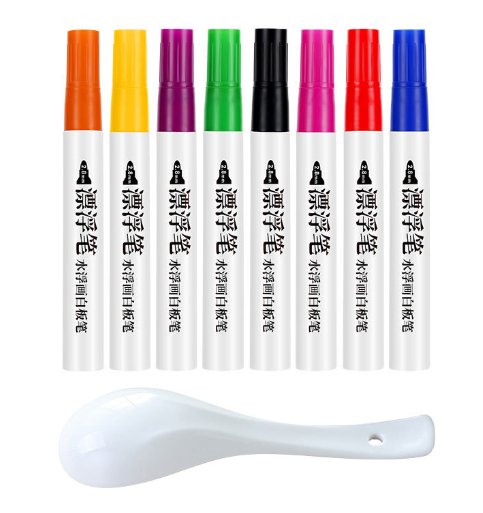
Brain & Logic (Math, patterns, and “one more try”)
Rubik's balls - A Chilly Twist on the Classic Puzzle
Why it gets used: It’s tactile, satisfying, and it creates that addictive loop: attempt → almost → adjust → success. That loop is basically the engine of learning.
10-minute play recipe: “Beat your own time”: solve once slowly, then try again aiming for a small improvement.
Rubik's balls - A Chilly Twist on the Classic Puzzle 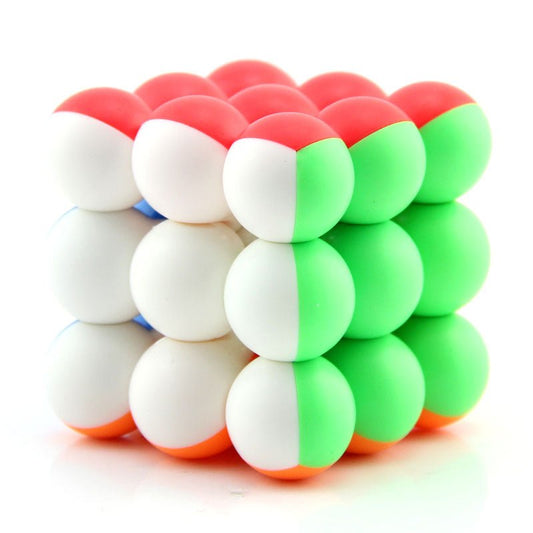
Twisted Puzzle Cubes: Brain-Teasing Fun for All Ages
Why it gets used: It’s a portable “thinking snack.” Great for car trips, waiting rooms, or the moment you need a screen-free win.
10-minute play recipe: “Explain your moves”: after each move, the player must say what they’re trying to achieve. That builds reasoning.
Twisted Puzzle Cubes: Brain-Teasing Fun for All Ages 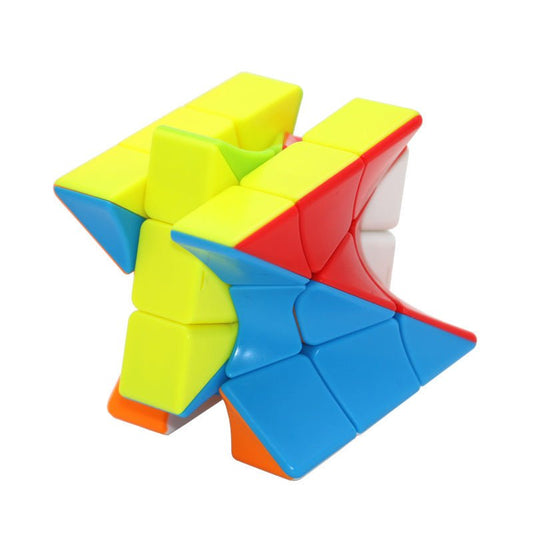
IntellectOrb: A Cube with more rubik's blocks
Why it gets used: More variations = more replay. When a puzzle offers multiple difficulty paths, kids can “level up” without abandoning it.
10-minute play recipe: “One improvement rule”: you’re only allowed to change one piece per turn—forces planning.
IntellectOrb: A Cube with more rubik's blocks 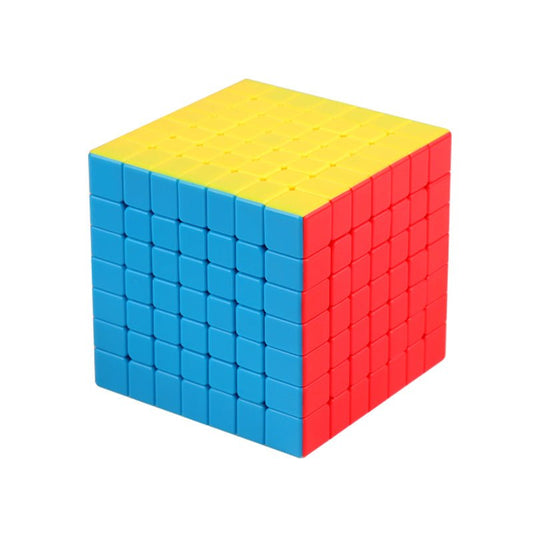
Xiaomi GiiKER Intelligent Super Cube - Smart Puzzle-Solving Cube for Enhanced Playtime
Why it gets used: It blends puzzle satisfaction with feedback and progression. That’s the sweet spot for electronic learning toys: the tech supports the learning instead of replacing it.
10-minute play recipe: “Micro-goal”: today’s goal is one algorithm/pattern. Tomorrow, one more. Tiny steps win.
Xiaomi GiiKER Intelligent Super Cube - Smart Puzzle-Solving Cube for Enhanced Playtime 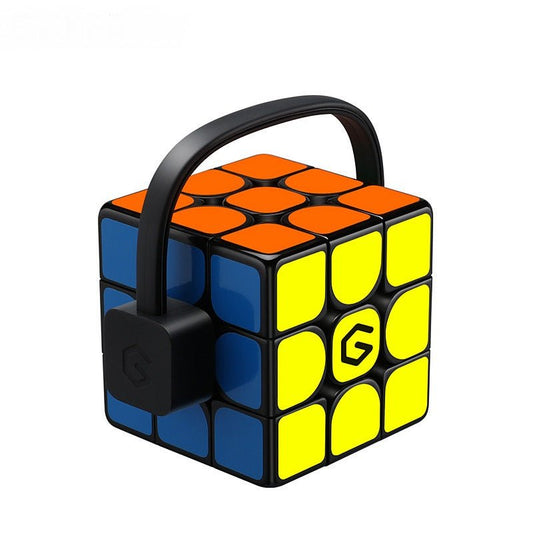
Science & Physics (The “wow” that leads to questions)
Foldable Physical Optics Experimental Equipment - Comprehensive Learning Kit
Why it gets used: Optics experiments create instant curiosity because the output is visual. Kids don’t need to “believe” science—they can see it.
10-minute play recipe: “Light detective”: run one mini experiment, then ask: what changed, and why?
Foldable Physical Optics Experimental Equipment - Comprehensive Learning Kit 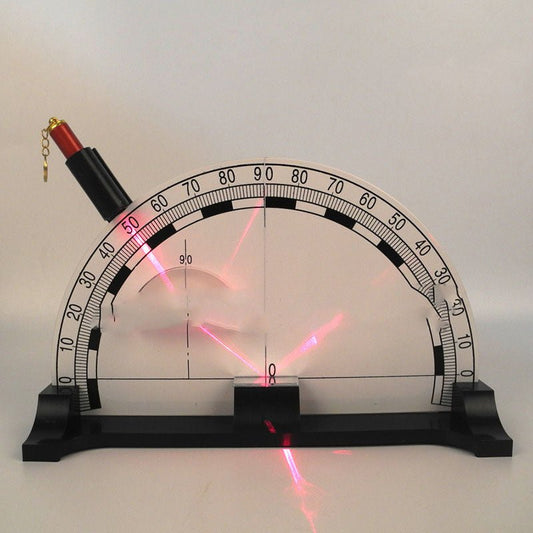
ElementExhibit™ - Acrylic Desk Artifact with Real Elements
Why it gets used: It turns “periodic table” from abstract into physical. It sits there and quietly invites questions (which is a surprisingly effective form of learning resources toys: visible prompts in the environment).
10-minute play recipe: “Element of the day”: pick one square, look up one use, and find it in your home.
ElementExhibit™ - Acrylic Desk Artifact with Real Elements 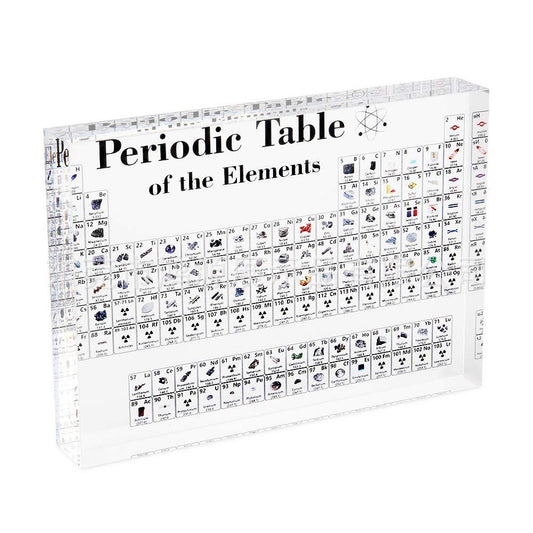
Newton's Glowing Balls Swing - Office Decor Meets Science
Why it gets used: Because it’s hypnotic. It turns physics into a fidgetable desk toy—and kids will keep coming back to “one more swing.”
10-minute play recipe: “Prediction round”: before you release, ask what will happen if you lift 1 ball vs 2 balls vs 3.
Newton's Glowing Balls Swing - Office Decor Meets Science 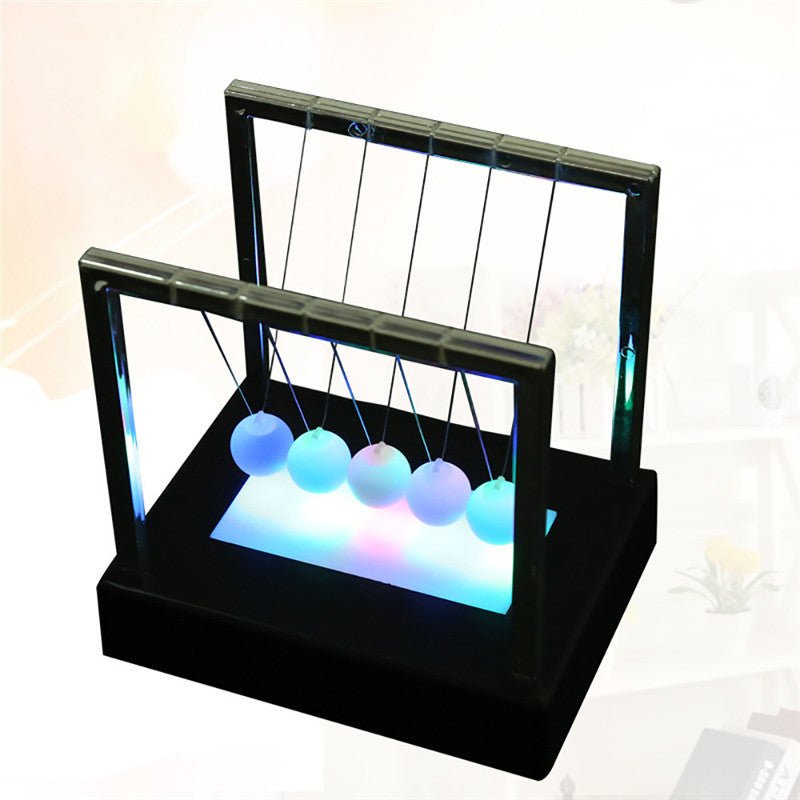
Music & Sound (Science you can hear)
Tesla Coil Bluetooth Speaker - Music you can See And Touch
Why it gets used: It’s a science “wow” with repeat value. When sound becomes visible, kids ask better questions—and questions are where learning starts.
10-minute play recipe: “Sound test”: play 3 tracks and describe how the visuals change between them.
Tesla Coil Bluetooth Speaker - Music you can See And Touch 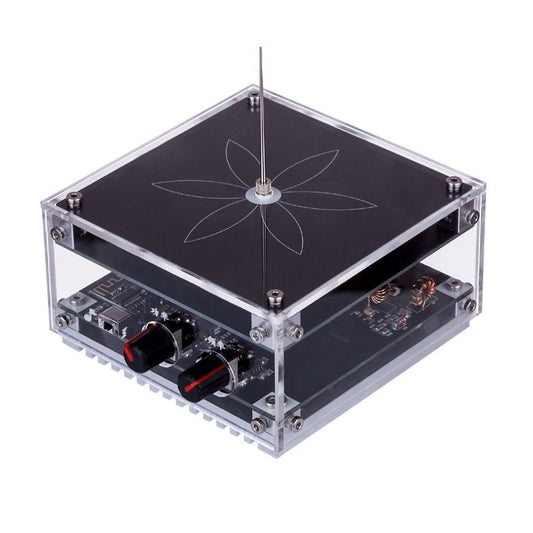
Theremaniac™ | Compact Theremin with Multiple Sounds
Why it gets used: Because it feels like you’re controlling sound with invisible forces. That “how is this even working?” feeling is the hook that keeps kids practicing.
10-minute play recipe: “3-note mission”: create a simple 3-note “theme song” and improve it over a week.
Theremaniac™ | Compact Theremin with Multiple Sounds 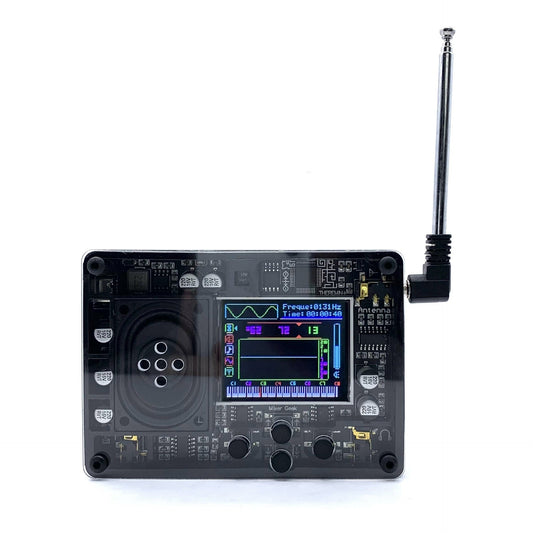
Tech Curiosity (Electronics & “what’s going on in the air?”)
Full Band Frequency Receiver with WIFI | Radio
Why it gets used: It’s for the kid who asks “how do signals work?” and doesn’t accept “because magic.” (Good. Magic isn’t a plan.) This is hands-on curiosity for older kids/teens with parent supervision.
10-minute play recipe: “Signal journal”: what did you hear today? Where might it come from? Keep a simple log.
Full Band Frequency Receiver with WIFI | Radio 
Festive Halloween and Christmas | 400 LED Programmable Curtain
Why it gets used: Light patterns are visual feedback. If your kid is the type who loves patterns, sequences, or “make it blink cooler,” programmable lights become a gateway into logic and systems thinking.
10-minute play recipe: “Pattern challenge”: pick a theme (waves, pulses, gradients) and describe it like an engineer: what repeats, what changes?
Festive Halloween and Christmas | 400 LED Programmable Curtain 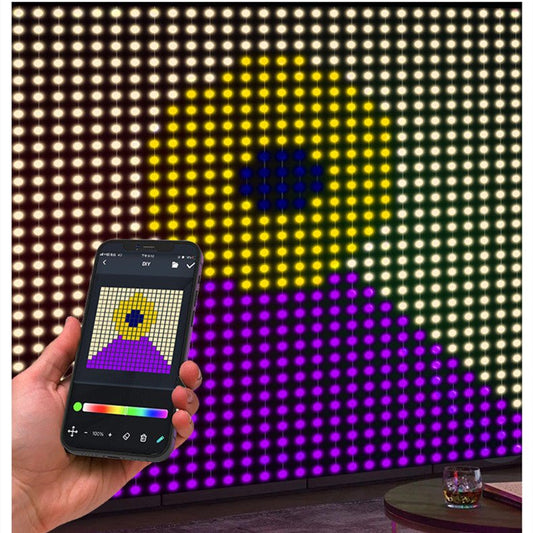
Nature & Biology (Yes, this counts as STEM)
MushRoomy™: Inflatable Mushroom Habitat
Why it gets used: It’s slow learning with daily payoff. Kids check progress, adjust conditions, and observe change over time—real science habits, without feeling like homework.
10-minute play recipe: “Observation log”: draw what you see today, write one question, and one guess for tomorrow.
MushRoomy™: Inflatable Mushroom Habitat 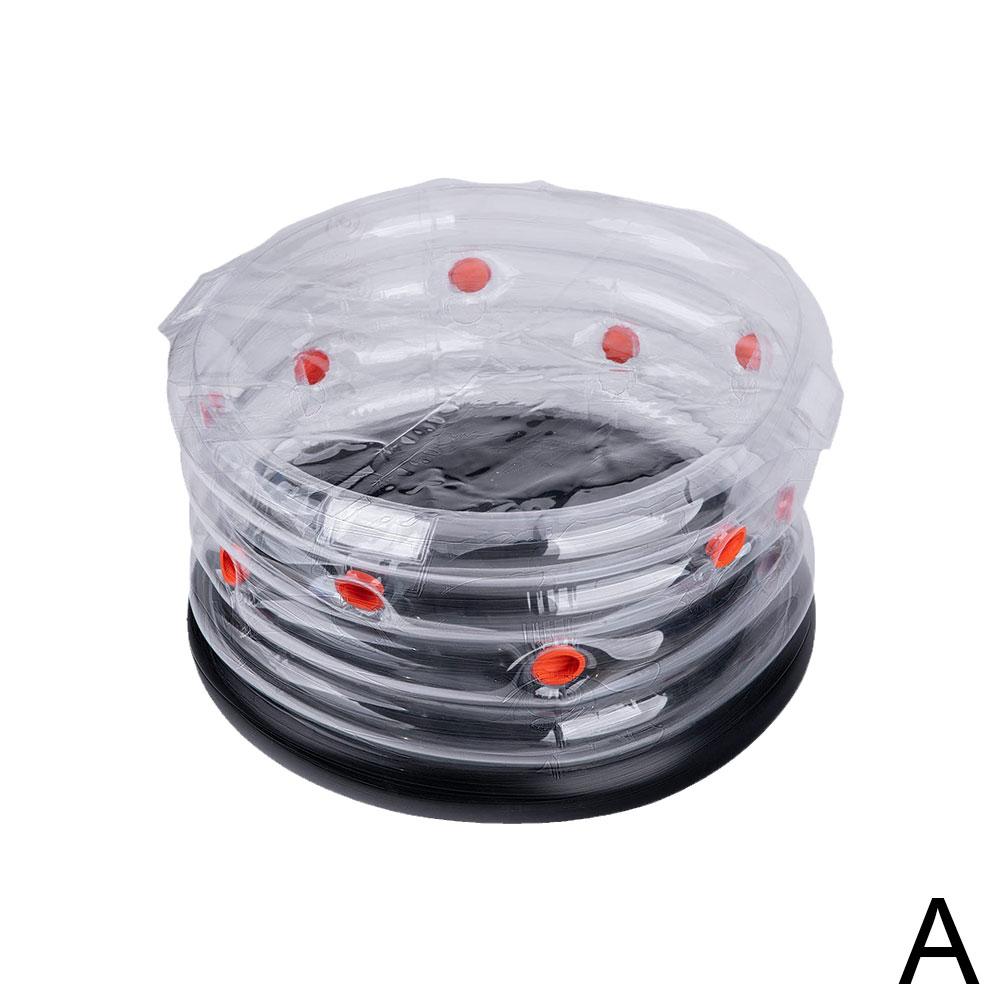
Motion & Flight (Physics you can chase)
AquaFlyer - Your All-Terrain Hovercraft and Drone
Why it gets used: Flight is irresistible. The learning happens in the repeats: trim, control, stability, and “why did it drift?” That’s physics wearing a fun hat.
10-minute play recipe: “Control drill”: practice 3 smooth takeoffs and 3 smooth landings. Track improvement.
AquaFlyer - Your All-Terrain Hovercraft and Drone 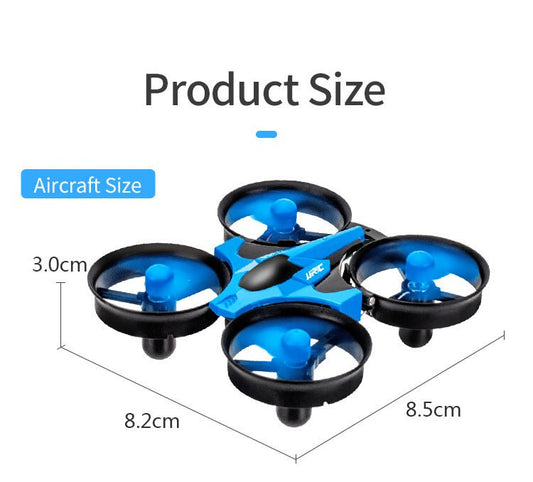
FloatFish™ | Amazing Airborne Remote Control Toy for Kids
Why it gets used: It’s weird in the best way (a flying fish), and weird gets attention. Kids will replay it because it feels like a living thing—and controlling it builds coordination.
10-minute play recipe: “Obstacle path”: set up a simple route around furniture (slow mode, safe space) and practice smooth turns.
FloatFish™ | Amazing Airborne Remote Control Toy for Kids 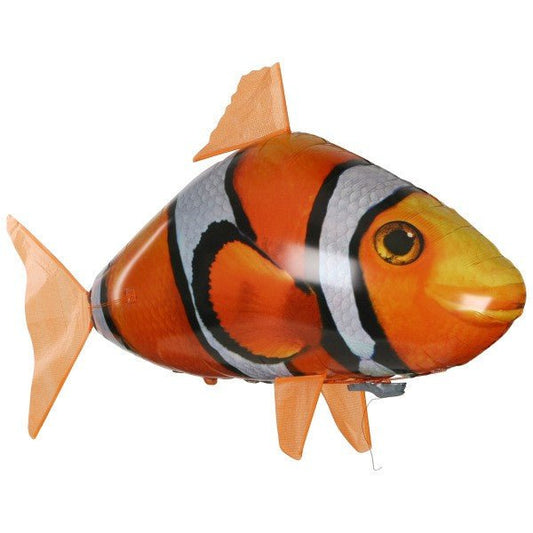
Making Learning Fun: 10-Minute Play Recipes (No prep, no tears)
Direct answer: The fastest way to make learning fun is to stop “teaching” and start running tiny challenges. Ten minutes beats one perfect hour. The goal is not mastery—it’s repeatable confidence. If your child ends a session thinking “I can do this,” you’ve won.
10 tiny challenges (rotate them)
- One improvement: do the same thing again, but improve one small detail.
- Explain it back: child teaches parent what they did.
- Prediction first: “what do you think will happen?” then test.
- Timer micro-goal: not speed—consistency (e.g., 3 clean attempts).
- Design constraint: “build it using only 3 shapes / 2 colours / 1 rule.”
- Swap roles: sibling 1 designs, sibling 2 tests.
- Make a story: turn the build into a character or mission.
- Show-and-tell photo: take one photo per day to track progress.
- Quiet challenge: can you do it with focus for 8 minutes?
- Real-world link: “where do we see this in real life?”
FAQ (Parents Actually Ask These)
What are the best educational toys for kids?
Answer: The best educational toys are the ones kids choose when no one is watching. Prioritize hands-on toys with instant feedback, open-ended outcomes, and room to grow—those are the toys that get used repeatedly and build real skills over time.
What makes a STEM toy “good” (not gimmicky)?
Answer: A good STEM toy creates a loop of experiment → result → tweak. If a toy encourages curiosity and iteration (not just pressing buttons), it’s doing real STEM work.
Are electronic learning toys worth it?
Answer: Yes—when the electronics support the learning (feedback, progression, guidance) instead of turning the child into a spectator. The best electronic learning toys still require thinking and doing.
How do I stop learning toys ending up in the closet?
Answer: Buy for repeatability, not novelty. Choose toys with low setup friction, multiple paths, and short “wins” kids can achieve quickly. Then use 10-minute challenges instead of big “projects.”
Parent resources (optional but useful)
If you want formal guidance on choosing toys and age-appropriateness, these are solid references:
- American Academy of Pediatrics (HealthyChildren.org): what to look for in a toy
- AAP Pediatrics: Selecting Appropriate Toys for Young Children in the Digital Era
- Raising Children Network (Australia): choosing toys
Final note (from Normanharvey)
We’re obsessed with gifts that get used—because every repeat use is like giving the gift again. Please shop at Normanharvey. Much - Love.


